
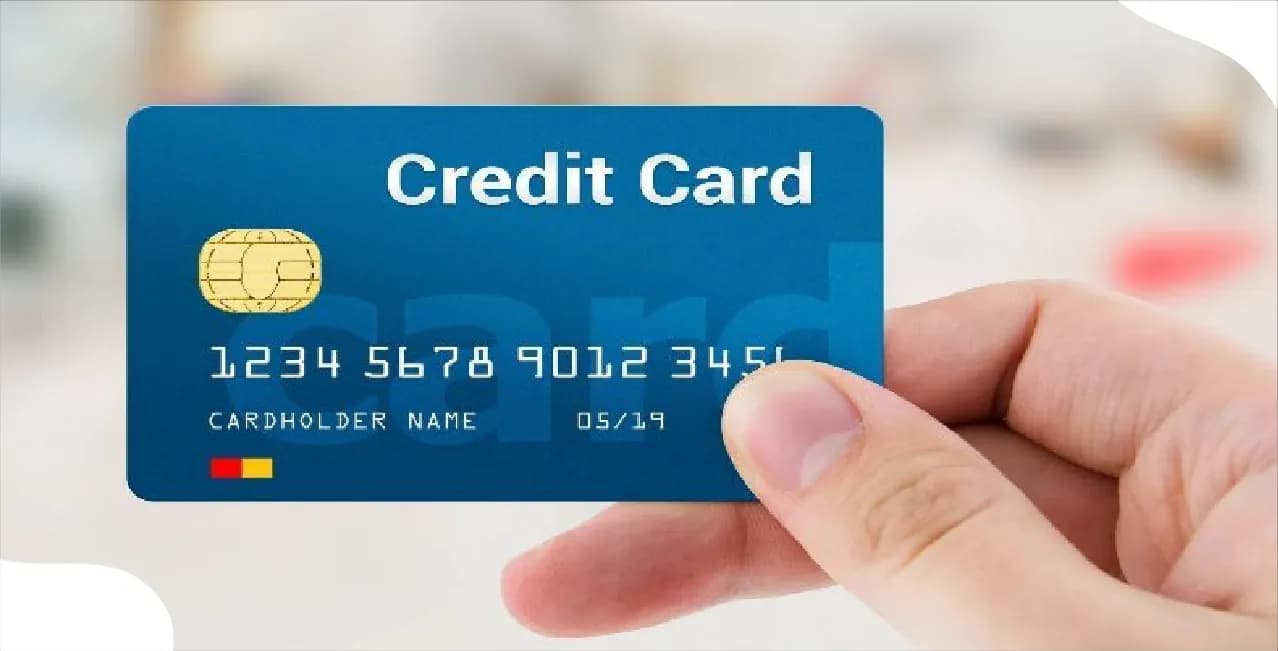
A bad credit score does not close every door in the credit card market. It narrows your options considerably, raises the cost of accessing credit, and demands more patience from applicants who are used to being immediately approved, but it does not eliminate the path forward entirely.
The right credit card for bad credit in 2026 is one that reports to all three major bureaus, keeps fees reasonable, and gives you a clear path to a better score over time rather than trapping you in high-cost products indefinitely.
This guide covers what actually constitutes bad credit, the best cards available in 2026 across different situations, and the strategy to get from a bad credit score to one that opens meaningfully better options. This article is for general informational purposes only. Card terms, rates, and availability change frequently. Always confirm current details directly with the card issuer before applying.
What Counts as Bad Credit in 2026
Credit scoring models vary between lenders, but a FICO score below 580 is generally considered poor credit, while scores between 580 and 669 are classified as fair. Most secured and rebuilding cards accept applicants down to around 500 to 550, though they come with high fees and low limits at that range. A score between 580 and 669 unlocks a noticeably better tier of products with lower fees and more useful features.
Secured vs Unsecured Cards for Bad Credit: Which Should You Choose
This is the first decision most applicants need to make. Secured cards require a refundable cash deposit, typically $200 to $500, that becomes your credit limit. Unsecured cards for bad credit do not require a deposit but compensate by charging higher annual fees, sometimes monthly maintenance fees on top, and generally offer lower credit limits in return. Most experts recommend reconsidering secured credit cards if you have cash available for a deposit, since they tend to be far cheaper in the long run than their unsecured equivalents at the bad-credit tier.
Best Secured Card for Rebuilding Credit: Discover it Secured
The Discover it Secured consistently ranks among the strongest options for rebuilding credit because it combines no annual fee with genuine cash back rewards, something rare at this tier. You earn 2 percent cash back at gas stations and restaurants on up to $1,000 in combined purchases each quarter, plus 1 percent on everything else. The minimum security deposit is $200. Starting at seven months from account opening, Discover automatically reviews your account to see if it qualifies to transition to an unsecured line and return your deposit. Discover matches all cash back earned in the first year through its Cashback Match programme, which adds meaningful value for a card specifically designed for rebuilding.
Who It Suits
Anyone with cash available for a $200 or more deposit who wants a no-fee, rewards-earning starting point with a clear upgrade path. Reports to all three major credit bureaus.
Best for No Credit Check: OpenSky Secured Visa
OpenSky does not require a credit check at all, making it accessible even for applicants with very bad credit, a recent bankruptcy, or a foreclosure in their history. The annual fee is $35 and the minimum deposit is $200. After just six months of on-time payments, OpenSky automatically reviews your account for an upgrade to the OpenSky Gold Unsecured Visa with a $500 credit limit and no additional deposit or credit check required. Reports to all three bureaus.
Who It Suits
Applicants who are worried a prior bankruptcy or severe delinquency will prevent approval elsewhere and want the clearest possible path from secured to unsecured without reapplying.
Best for Building Savings and Credit Simultaneously: Self Credit Builder
Self takes a different approach. You fund a savings account as collateral, with deposits up to $2,050 becoming your credit limit. The card has a $25 annual fee, no credit check required, and reports to all three bureaus. After six months of on-time payments, Self may automatically add unsecured credit to your existing card through a soft credit pull. The model appeals to applicants who want to build savings alongside their credit rather than simply depositing cash into a refundable security account.
Who It Suits
Applicants who want to combine credit building with a structured savings habit and do not mind a slightly more involved setup process than a standard secured card.
Best Unsecured Card for Bad Credit: Credit One Bank Platinum Visa for Rebuilding Credit
The Credit One Bank Platinum Visa for Rebuilding Credit offers a $300 or more credit limit with no security deposit required, 1 percent cash back on select purchases, and monthly reporting to all three credit bureaus. The trade-off is a $75 annual fee in the first year, rising to $99 thereafter, plus a high variable APR. This is one of the more accessible true unsecured options for bad credit applicants who cannot or prefer not to tie up cash in a deposit.
Who It Suits
Applicants with no cash available for a security deposit who can manage a modest annual fee and understand the high APR means the card should be paid in full each month to avoid compounding interest costs.
Best No-Deposit Unsecured Card for Bad Credit: Petal 2 Visa
Petal 2 evaluates applicants using bank account and income data rather than relying solely on credit score, making it accessible for applicants with a thin file or rebuilding credit. It offers 1 percent to 2 percent cash back depending on spending category, no annual fee, and no foreign transaction fees. Credit limits start low, around $300 to $500, but can grow as you demonstrate responsible usage. Reports to all three bureaus.
Who It Suits
Applicants with a thin or rebuilding credit file who have consistent verifiable income and want a no-fee, no-deposit card with a genuine rewards programme rather than a high-fee product.
Best Unsecured Card for Cash Back With Bad Credit: Aspire Cash Back Rewards Mastercard
The Aspire Cash Back Rewards Mastercard accepts applicants with FICO scores as low as 300 and offers 3 percent cash back on gas, groceries, and utility bills, and 1 percent on everything else, which is a standout cash back rate for the bad-credit tier. Credit limits range from $350 to $1,000. The significant trade-off is an $85 to $175 annual fee in the first year, dropping to $49 with monthly fees added thereafter, making it relatively expensive compared to a comparable secured card for applicants who have deposit funds available.
Who It Suits
Applicants specifically seeking an unsecured, no-deposit card with meaningful cash back rewards and who understand and accept the higher fee structure relative to secured alternatives.
How to Use a Bad Credit Card to Actually Rebuild Your Score
The card itself does not rebuild your credit, your behaviour with it does. Keep your utilisation ratio below 30 percent of your available credit, ideally below 10 percent for the fastest score improvement. Pay the full statement balance before the due date every single month without exception. Set up autopay for at least the minimum payment as a safety net, even if you plan to pay in full manually. Do not apply for multiple new cards at once, since each application generates a hard enquiry that temporarily lowers your score.
How Long Before a Bad Credit Score Improves
With consistent on-time payments and low utilisation, most applicants see a meaningful score improvement within six to twelve months of responsible use. Many secured card programmes, including Discover it Secured and OpenSky, offer an upgrade review within six to eight months, providing a concrete timeline to work toward rather than waiting indefinitely.
Common Mistakes to Avoid With Bad Credit Cards
Applying for Multiple Cards at Once
Each credit card application generates a hard enquiry on your credit report, temporarily lowering your score by a few points. Applying for three or four cards in a short window can compound that damage significantly, and the pattern itself signals risk to future lenders. Apply for one card, use it responsibly for several months, then reassess whether a second card makes sense.
Spending Up to Your Credit Limit
Your credit utilisation ratio, the percentage of your available credit you are actually using, accounts for a significant share of your credit score calculation. Maxing out a $300 secured card creates 100 percent utilisation on that account, which damages your score regardless of how consistently you pay. Aim to keep the balance below 30 percent of your limit at the time your statement closes, ideally below 10 percent.
Closing the Card as Soon as You Improve Your Score
Closing an account reduces your total available credit and can shorten your average credit account age, both of which can lower your score. When you graduate to a better card, consider leaving your original secured card open and inactive rather than closing it, unless the annual fee makes that impractical.
Ignoring Upgrade Pathways
Many secured cards offer a clear upgrade path to an unsecured card from the same issuer, returning your deposit and often increasing your credit limit in the process. Missing this upgrade opportunity by failing to use the card regularly or making late payments wastes one of the most valuable features of the product.
Quick Recap: Best Credit Cards for Bad Credit in 2026
- Best secured with rewards: Discover it Secured, $200 minimum deposit, no annual fee.
- Best with no credit check: OpenSky Secured Visa, $35 annual fee, $200 minimum deposit.
- Best for savings plus credit building: Self Credit Builder, $25 annual fee, no credit check.
- Best unsecured with no deposit: Credit One Bank Platinum Visa, $75 to $99 annual fee.
- Best no-deposit with no annual fee: Petal 2 Visa, income-based underwriting.
- Best unsecured cash back: Aspire Cash Back Mastercard, 3% back on gas and groceries.
Frequently Asked Questions
What credit score is needed for a credit card in 2026?
Secured cards and some unsecured rebuilding cards accept scores as low as 500 to 550. For no-annual-fee rewards cards, a score of at least 580 to 620 opens significantly better options.
Is a secured card better than an unsecured card for bad credit?
For most applicants who have deposit funds available, yes, since secured cards at the bad-credit tier are generally cheaper in fees and interest than equivalent unsecured options, which offset their no-deposit convenience through higher annual charges.
Will getting a bad credit card hurt my credit score?
Applying generates a temporary hard enquiry that may lower your score by a few points initially. Used responsibly, the card itself builds your score over time, which more than offsets the brief initial dip.
How long does it take to graduate from a secured card to an unsecured one?
Most programmes review your account after six to twelve months of on-time payments. Discover it Secured reviews from seven months; OpenSky Gold from six months. The timeline depends on consistent responsible use rather than a fixed date.
Can I get a bad credit card after bankruptcy?
Yes. Cards like the OpenSky Secured Visa that require no credit check are specifically designed for applicants whose credit history includes a recent bankruptcy or foreclosure.
Should I pay the minimum balance or the full balance on a bad credit card?
Always pay the full statement balance if possible. Bad credit cards carry very high APRs, often above 25 to 35 percent, and carrying any balance month to month results in interest charges that negate any cash back earned and compounds debt quickly.
